
Miami County, Kansas
Miami County History: 170 Years of Kansas Local History
Independent editorial coverage of the people, places, and events that shaped Miami County — from Bleeding Kansas to the present day.
Core Topics
Miami County History
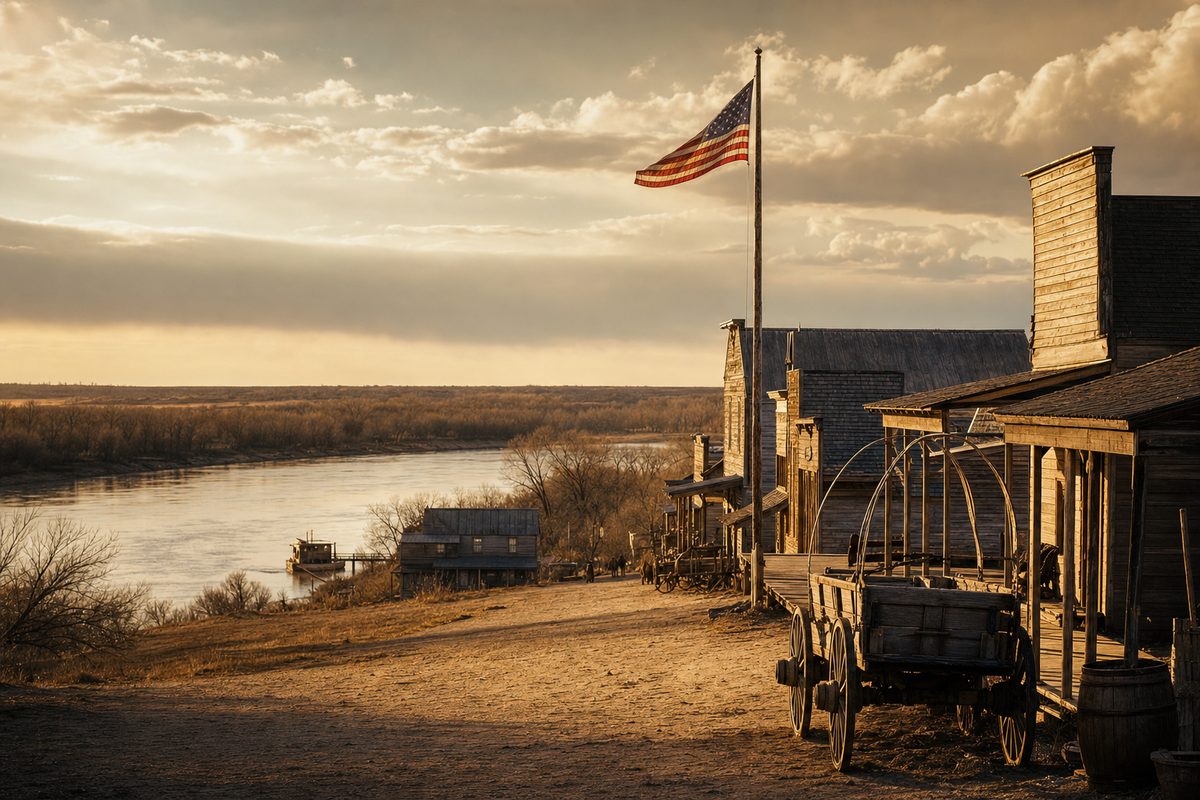
Miami County in the Civil War
From Bleeding Kansas to the final surrender — how the county became a crucible of the nation's defining conflict.

The Peoria and the Potawatomi
The Osage, Miami, Peoria, and Potawatomi peoples whose lives, trails, and land grants shaped what is now Miami County.
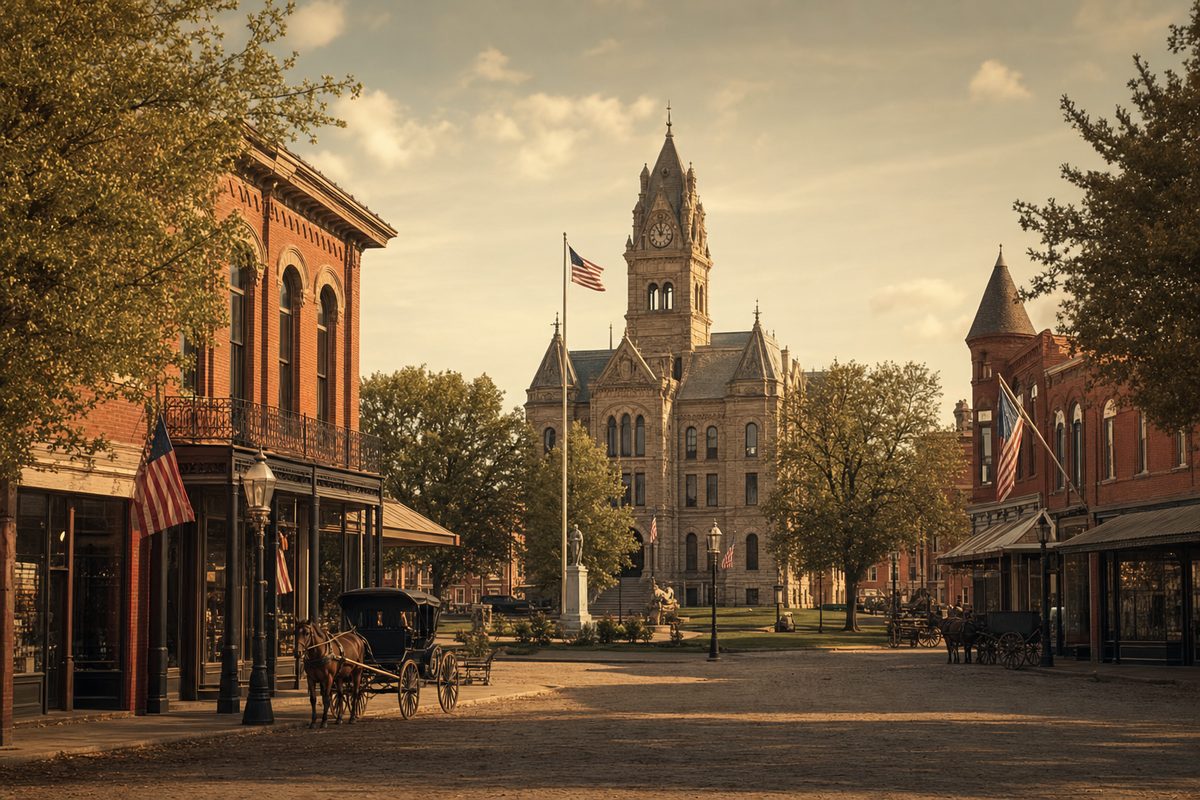
History of Paola, Kansas
Founded in 1855 and named for a Peoria chief — the county seat's 170-year story of growth, tragedy, and renewal.
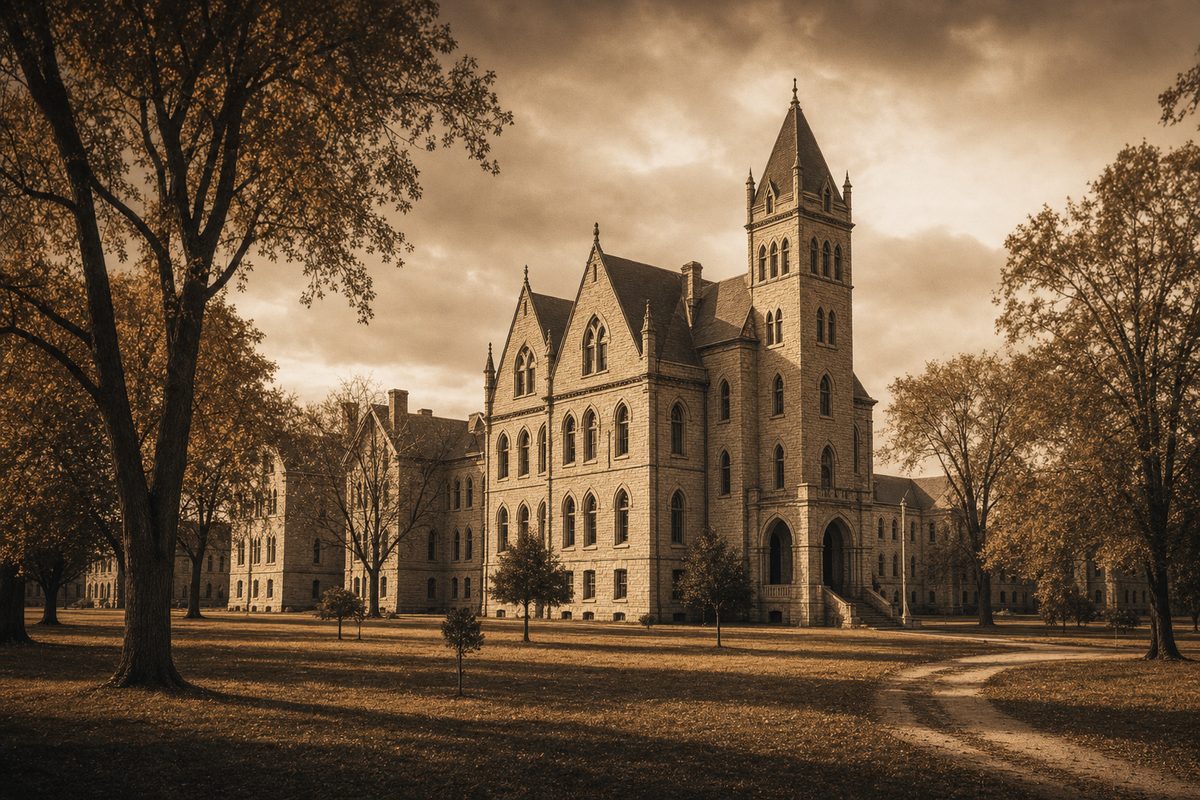
Osawatomie State Hospital
Kansas's first psychiatric institution, opened in 1866, and its long, troubled, and transformative history in the county.
About This Publication
An Independent Record of Miami County
Think Miami County History is an independent editorial publication dedicated to researching and preserving the documented history of Miami County, Kansas. Articles draw on primary sources, historical records, and local archives spanning more than 170 years.
About This SiteExplore Further
More Kansas Local History Topics
Orientation
Reading the History of Miami County, Kansas
Miami County sits in eastern Kansas, on the Missouri border about forty miles south of Kansas City. It was organized in 1855, the year the territorial legislature drew its first boundaries, and its seventeen civil townships were laid out under the federal Public Land Survey System. The county carried the name Lykins until 1861, when it was renamed for the Miami people who had been removed here from Indiana two decades earlier. That sequence — survey, settlement, renaming — is the spine of Kansas local history in this part of the state, and most of the stories on this site attach to one of its links.
Three threads run through the archive. The first is the border war. Osawatomie was John Brown's base, the site of the 1856 battle that made his name, and Quantrill's raiders crossed the county on the way to and from Kansas. The second is displacement and settlement: the Peoria, Miami, Potawatomi and Osage held land here under treaty before allotment opened it to homesteaders, and Paola takes its name from Baptiste Peoria, the interpreter and trader whose farm became the county seat. The Trail of Death, the forced 1838 Potawatomi removal from Indiana, passed through the same ground. The third is the railroad: the Missouri–Kansas–Texas line reached Paola in 1870 and founded Louisburg along the way, and the towns that got a depot grew while the ones that did not thinned out.
After the railroad decades the county's institutions took shape. Osawatomie State Hospital opened in 1866 as the first psychiatric institution in Kansas and remained the county's largest employer for a century. The Ursuline Sisters founded a school in Paola in 1895. The Jefferson Highway, one of the earliest transcontinental auto routes, was routed through the county in 1915 and pulled commerce back onto the main streets. Miami County's rural schoolhouses — more than a hundred of them at the peak — consolidated away in the 1950s and 1960s, and the cemeteries and township records they left behind are now the primary genealogy sources for families tracing the area.
The articles here are editorial, not archival. Each one cites the county, state and newspaper records it draws on, and each is dated. Where an account is contested — the Paola axe murder, the several versions of Bullet-Hole Jackson — the disagreement is described rather than resolved. The history of Miami County is well documented but unevenly so: the Civil War years and the railroad era have deep paper trails, while the twentieth century thins out into local newspapers and family papers. Read the topic pages for orientation and the article index below for the full record.
Frequently Asked Questions
When was Miami County, Kansas organized?
Why is the county seat called Paola?
What is Miami County's connection to John Brown and Bleeding Kansas?
Where do I start for Miami County genealogy research?
How did the railroad change the county?
All Articles
- Baptiste Peoria: Chief of the Peoria Tribe in Kansas
- Bullet-Hole Jackson: Frontier Legend of Miami County, Kansas
- Ethel Wise: Documenting Miami County History in Kansas
- Fontana, Kansas: History of a Miami County Rural Community
- George Washington Carver's Miami County, Kansas Connection
- How Paola, Kansas Got Its Name: The Peoria Chief Story
- John Brown and Bleeding Kansas: His Miami County Legacy
- Louisburg, Kansas: History of Miami County's Southern City
- Miami County Cemeteries: A Guide to Family History Research
- Miami County Courthouse: Paola's Historic Civic Landmark
- Miami County in the Civil War — Bleeding Kansas History
- Miami County Townships and Early Settlement Patterns
- Miami County, Kansas Genealogy: Research Guide and Resources
- Miss Flora: A Chapter of Miami County Local History
- Native American History of Miami County — Tribes & Trails
- Osawatomie State Hospital: Kansas's First Psychiatric Center
- Osawatomie, Kansas: History of Miami County's Second City
- Paola 150 Years, Part 1: Founding on the Kansas Frontier
- Paola 150 Years, Part 2: War, Veterans, and Reconstruction
- Paola 150 Years, Part 3: Growth, Commerce, and the Railroad
- Paola 150 Years, Part 4: Progress and the World at War
- Paola 150 Years, Part 5: Hard Times and the Second World War
- Paola 150 Years, Part 6: Postwar Growth and the Highway Era
- Paola 150 Years, Part 7: Toward the Sesquicentennial
- Paola 150 Years: Complete History of Kansas's County Seat
- Paola Axe Murder: Miami County's Notorious Crime Case
- Quantrill's Raid: The Civil War Attack on Miami County
- Railroad History of Miami County: Iron Roads Across Kansas
- Rural Schools and Schoolhouses of Miami County, Kansas
- The Defense of Kansas: Miami County Militia and Home Guard
- The History of Paola, Kansas — County Seat & Heritage Guide
- The Jefferson Highway Route Through Miami County, Kansas
- The Patterson Circus: Entertainment History in Miami County
- The Trail of Death: Potawatomi Forced Removal Through Kansas
- The Ursuline Sisters in Paola: Catholic Education in Kansas
- USS Scorpion: Miami County Connections to a Lost Submarine
Recently Published
Latest Articles
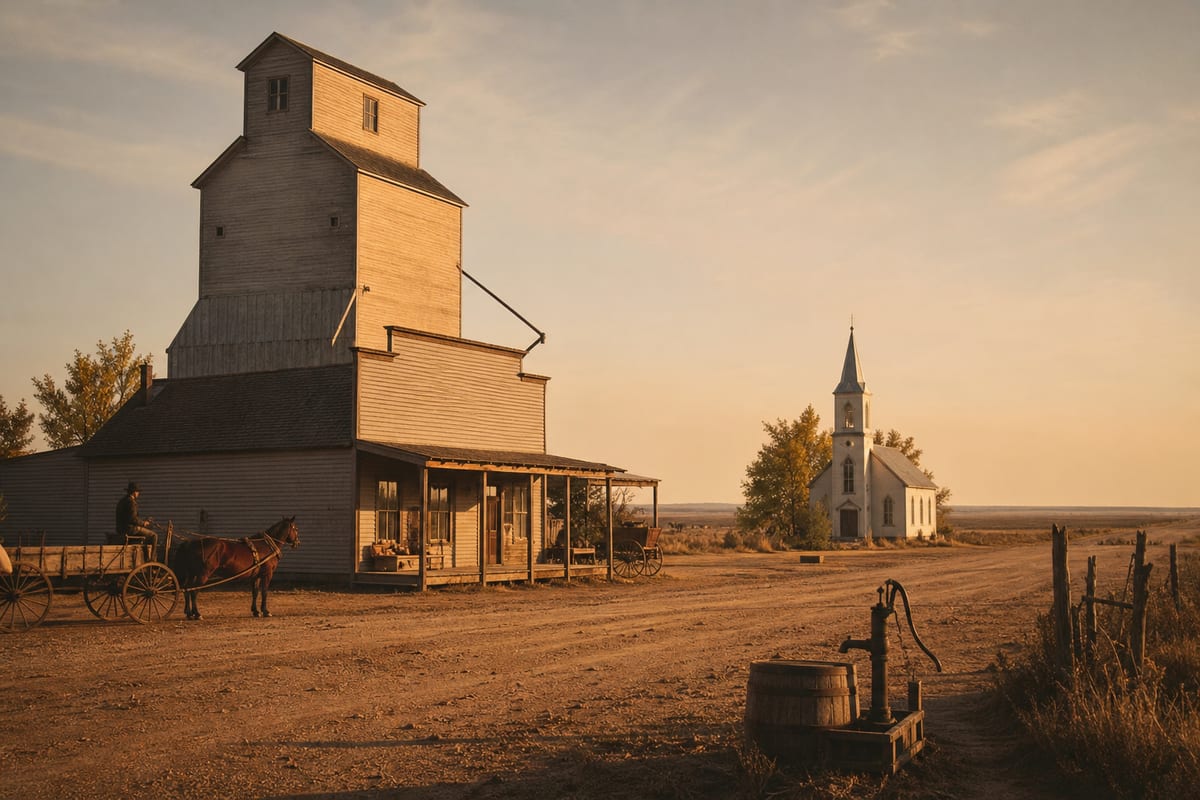
Fontana, Kansas: History of a Miami County Rural Community
The history of Fontana, a small community in southeastern Miami County, Kansas, from its 19th-century agricultural origins to its present rural character.
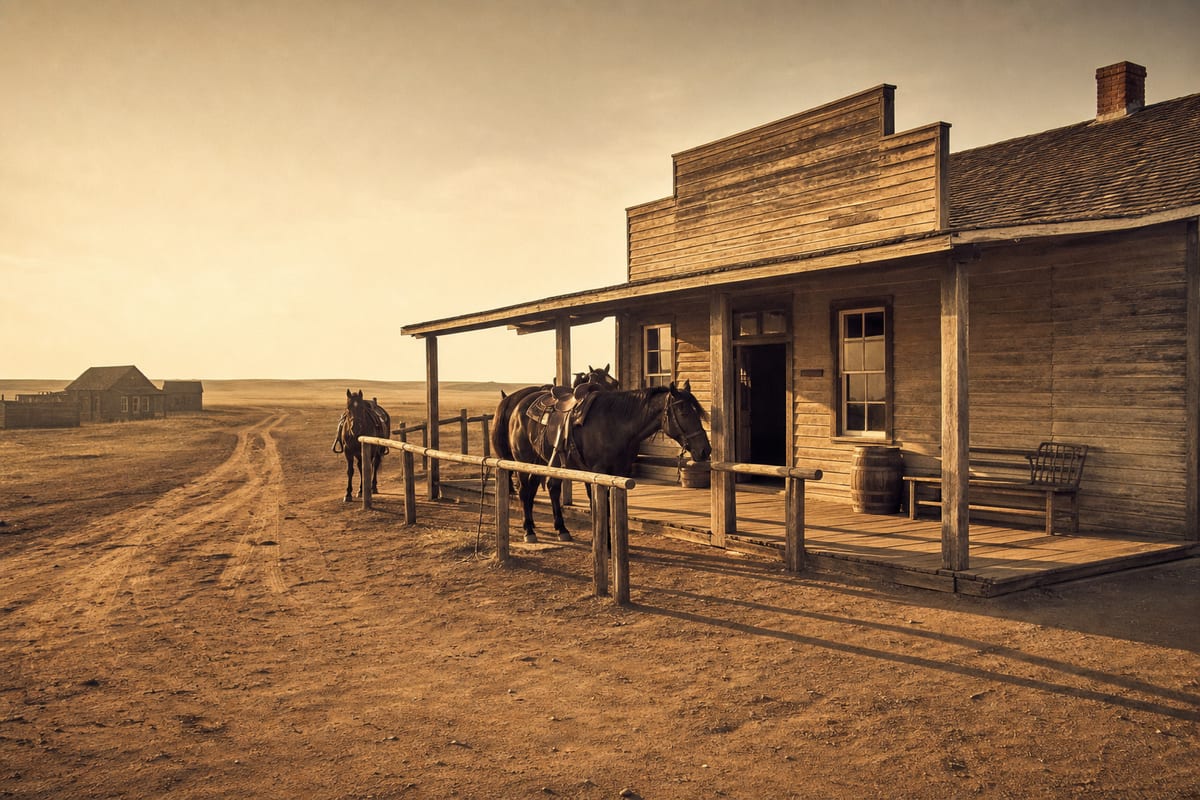
Bullet-Hole Jackson: Frontier Legend of Miami County, Kansas
Bullet-Hole Jackson was a colorful figure in Miami County, Kansas local history, preserved in county records and newspaper archives.
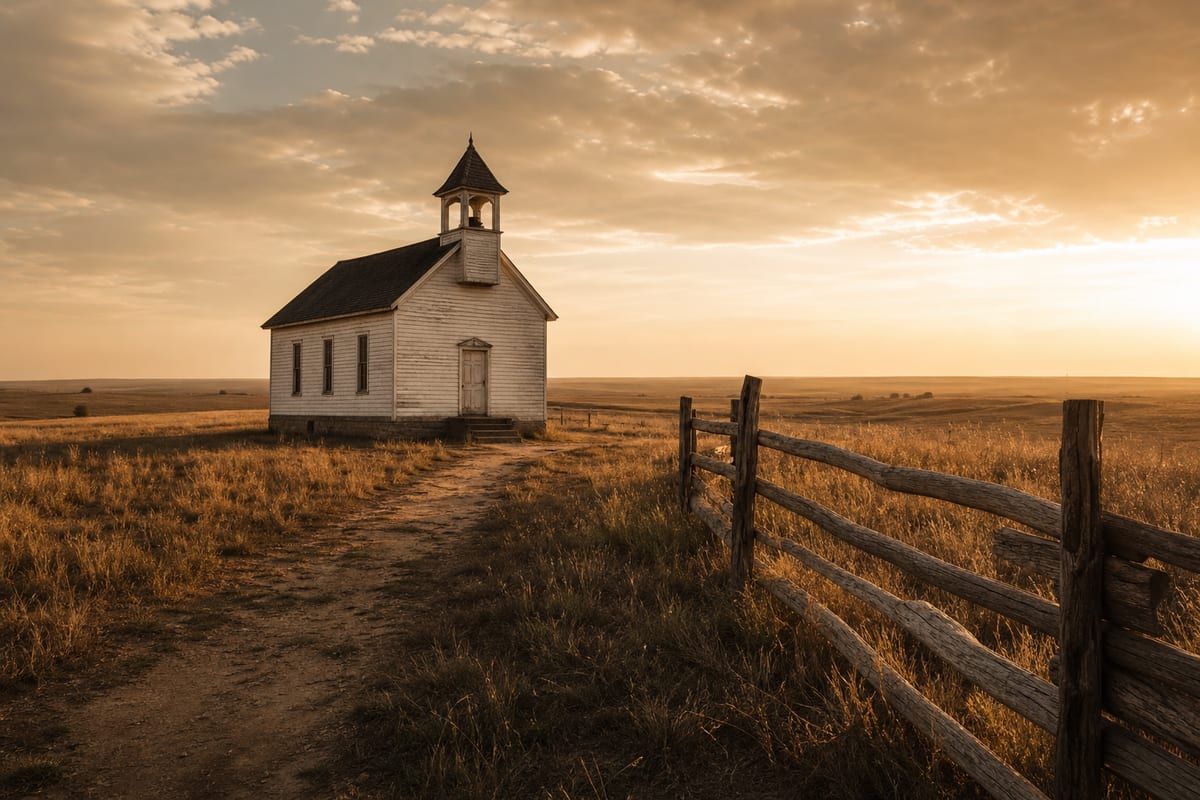
Rural Schools and Schoolhouses of Miami County, Kansas
The history of rural schoolhouses in Miami County, Kansas — from township school districts and one-room classrooms to consolidation in the 20th century.
Miami County in the Civil War — Bleeding Kansas History
From Bleeding Kansas to Mine Creek — Miami County's Civil War history: John Brown, Quantrill's raids, Union soldiers, and the border conflict.
Osawatomie State Hospital: Kansas's First Psychiatric Center
Founded in 1866, Osawatomie State Hospital is the oldest psychiatric hospital in Kansas — from frontier asylum to modern mental health facility.
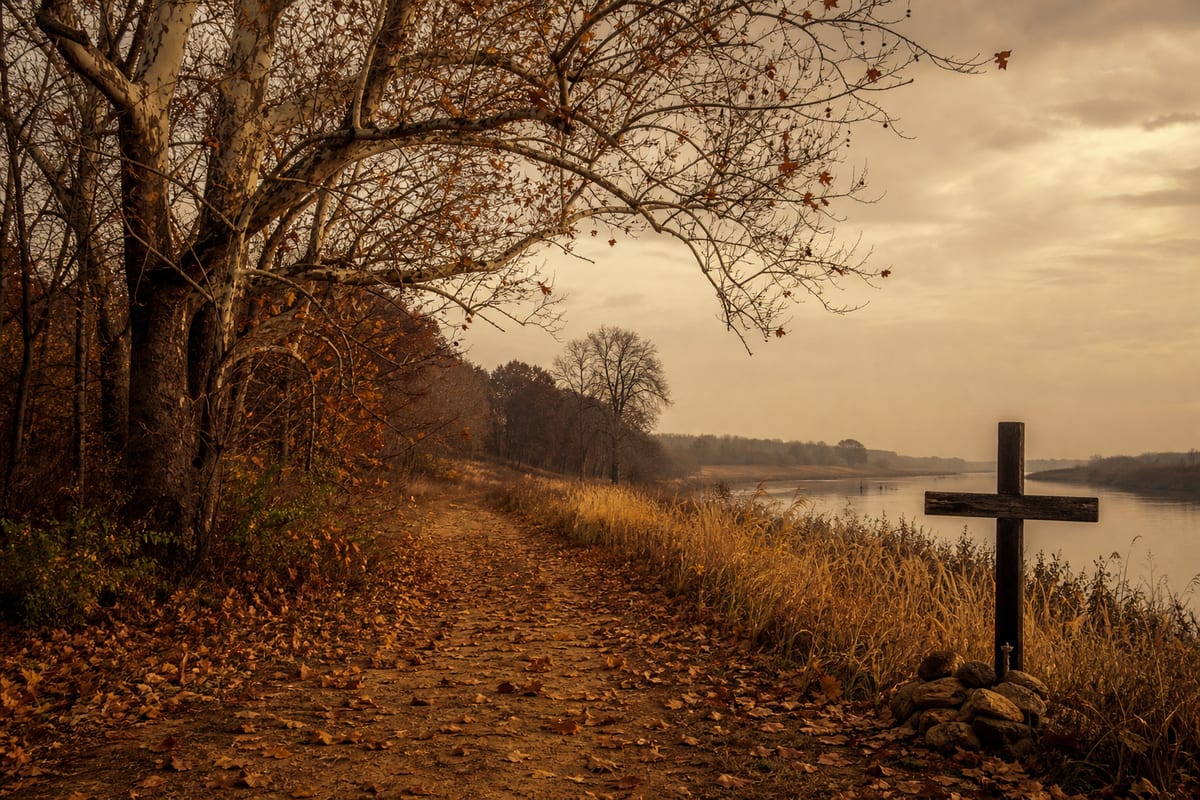
The Trail of Death: Potawatomi Forced Removal Through Kansas
In 1838, over 850 Potawatomi were marched from Indiana to Kansas on the Trail of Death. The route crossed Miami County and dozens died along the way.